Whipped Tallow Balm: What It Is, How It Works, and How to Choose One
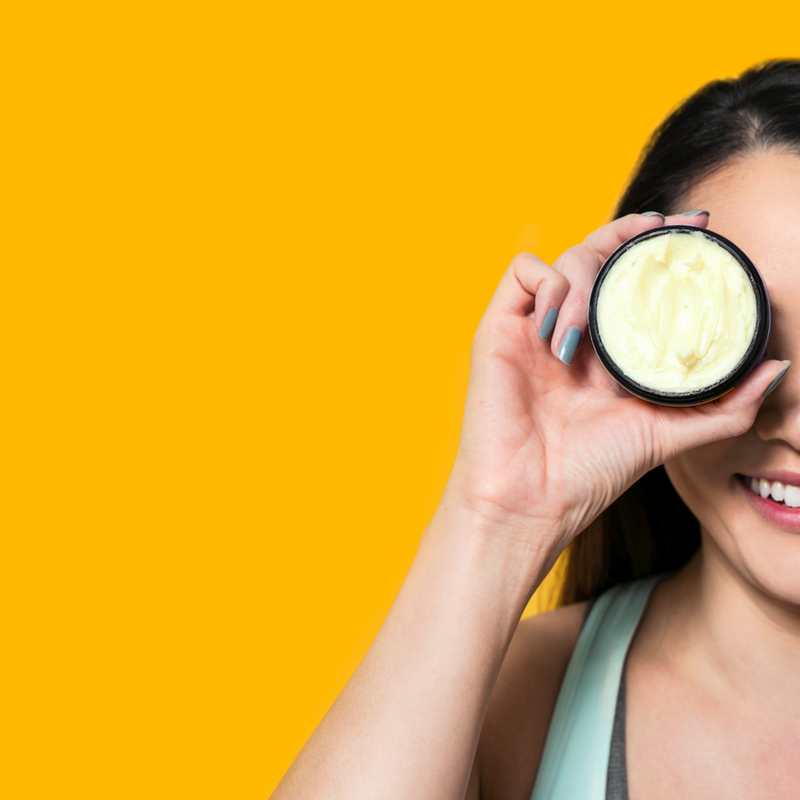
Whipped tallow balm is the same thing as solid tallow balm — same ingredient, same fatty acids, same skin-compatible base — with one difference: air has been whipped into it during processing. That changes the texture from firm and waxy to soft, fluffy, and spreadable without first warming it in your hands. Everything else — what it does on skin, how it absorbs, what to look for in sourcing — stays the same.
Whipped Tallow Balm — Quick Answer
- What it is: Rendered grass-fed beef fat whipped to a lighter, spreadable consistency
- How it differs from solid: Format only — same fatty acids, lighter texture, easier to spread on larger areas
- Best for: Body, face, eczema patches, dry elbows and heels, daily moisturizing
- Does it melt? Yes — tallow melts near skin temperature; store in a cool place
- Sourcing matters: Grass-fed, suet-sourced, dry-rendered gives the best fatty acid profile and stability
What Whipping Does (and Doesn't Do) to Tallow
Whipping incorporates air into the tallow as it cools, which is the only meaningful change from a solid balm. The base ingredient — rendered beef fat — is identical. The fatty acid profile stays the same: roughly 37% oleic acid, 27% palmitic, and 17% stearic. These are the same fatty acids the skin produces naturally through its sebaceous glands, which is why tallow absorbs differently than plant-based or synthetic alternatives.
What whipping changes is how you interact with it. Solid tallow balm needs body heat to soften before it spreads. Whipped tallow balm is already soft — you can scoop it straight from the jar and apply it to skin without a warm-up step. For people applying it to large areas (arms, legs, body), or to a face they would rather not press and rub with a stick, the whipped format is more convenient.
What whipping does not change is the skin-compatibility question. A 2024 scoping review in Cureus found tallow biocompatible with human skin, citing the overlap between tallow's fatty acids and those found in the epidermis. That finding applies equally to tallow in any format.
Whipped vs. Solid Tallow Balm: Which Format to Choose
The question of format is a question of use case, not efficacy. Both deliver the same ingredient. The difference is in how and where you apply it.
| Format | Best for | Trade-offs |
|---|---|---|
| Whipped (jar) | Body, face, larger dry areas, daily moisturizing | Less portable; can melt in heat; requires clean hands for dipping |
| Solid stick | Targeted application — lips, cuticles, elbows, rough patches, on-the-go | Needs warming to spread over larger areas; more friction on application |
If you want a daily body or face moisturizer and prefer to apply with your hands, a whipped or jar format makes sense. If you want something you can throw in a bag, pull out at your desk to address a cracked cuticle, or apply precisely to one dry spot, a solid stick is more practical. Some people keep both — a jar at the bathroom vanity, a stick in a bag.
What to Look for in a Whipped Tallow Balm
Sourcing Checklist
- Grass-fed: Grass-fed tallow has ~1.9% polyunsaturated fat vs. 3.45% grain-fed, more CLA, and higher vitamin E. The label should say it, not just imply it.
- Suet-sourced: Kidney suet is the cleanest, most stable tallow source. Other fat trimmings produce lower-quality tallow with shorter shelf life. Look for "suet" on the label.
- Dry-rendered: Slow, low-heat dry rendering produces cleaner tallow than wet rendering. It matters for smell and stability.
- No synthetic fragrance: Essential oils are fine; "fragrance" as a listed ingredient means synthetic compounds — skip it.
- Short ingredient list: The shorter the better. Five or fewer ingredients is a good benchmark.
FATCO's Tallow Balm Options
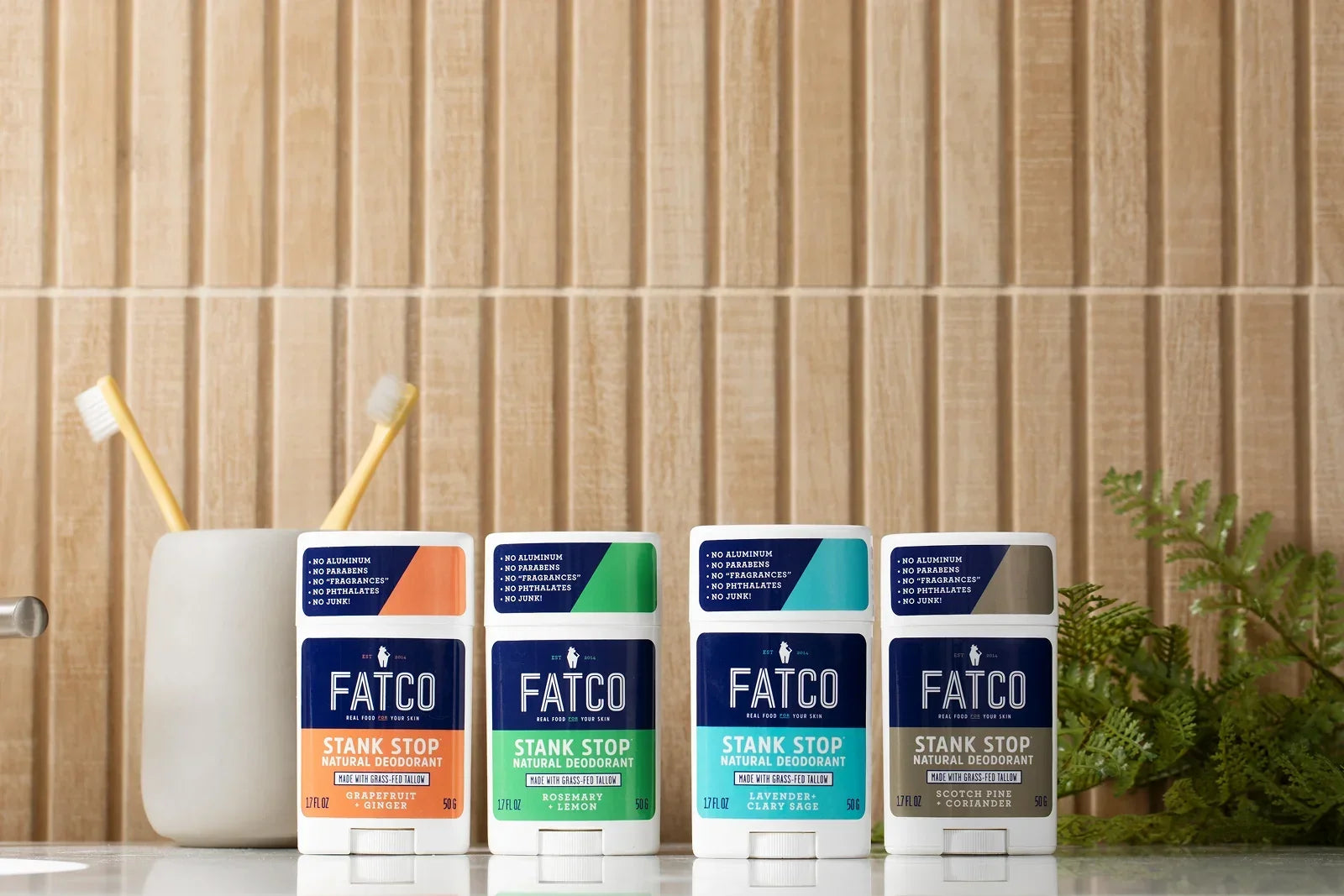
FATCO makes tallow balm in two formats. The Fat Stick is concentrated grass-fed tallow in a solid stick — easy to target, portable, and built for lips, cuticles, dry elbows, rough patches, and on-the-go use. Body Butta is a whipped tallow body butter, softer and more spreadable, built for daily body moisturizing. Both start with the same suet-sourced, grass-fed, dry-rendered tallow base. The choice between them is a format question, not an ingredient question.


Common Questions
Whipped Tallow Balm FAQ
What is whipped tallow balm?
Whipped tallow balm is rendered beef fat whipped to incorporate air, creating a lighter, fluffier texture than solid tallow. The base ingredient is identical to solid tallow balm, but the texture is soft and spreadable without needing to warm it first.
Is whipped tallow balm better than regular tallow balm?
Neither is better — they suit different situations. Whipped is easier to apply over larger areas and feels lighter. Solid is more portable and better for targeted application. The fatty acids that make tallow effective are the same in both.
Does whipped tallow balm melt?
Yes. Tallow melts at skin temperature and softens in warm environments. Store it in a cool, dry place. If it melts and re-solidifies, the tallow itself is fine — it may just lose some of its whipped texture.
What is whipped tallow balm good for?
Body moisturizing, face moisturizing, eczema patches, dry elbows and heels, and daily skin conditioning. Because tallow shares fatty acids with human sebum, it absorbs without a greasy residue when applied in appropriate amounts.
Can you use whipped tallow balm on your face?
Yes, for most skin types. The lighter texture makes it easier to apply to the face than a solid balm. Patch test before full-face use if you have oily or acne-prone skin.
What makes a good whipped tallow balm?
Grass-fed, suet-sourced, dry-rendered tallow is the starting point. Short ingredient list, no synthetic fragrance, no parabens or synthetic fillers. The sourcing standard determines how clean and stable the tallow base is.